The second wall of a donated wardrobe
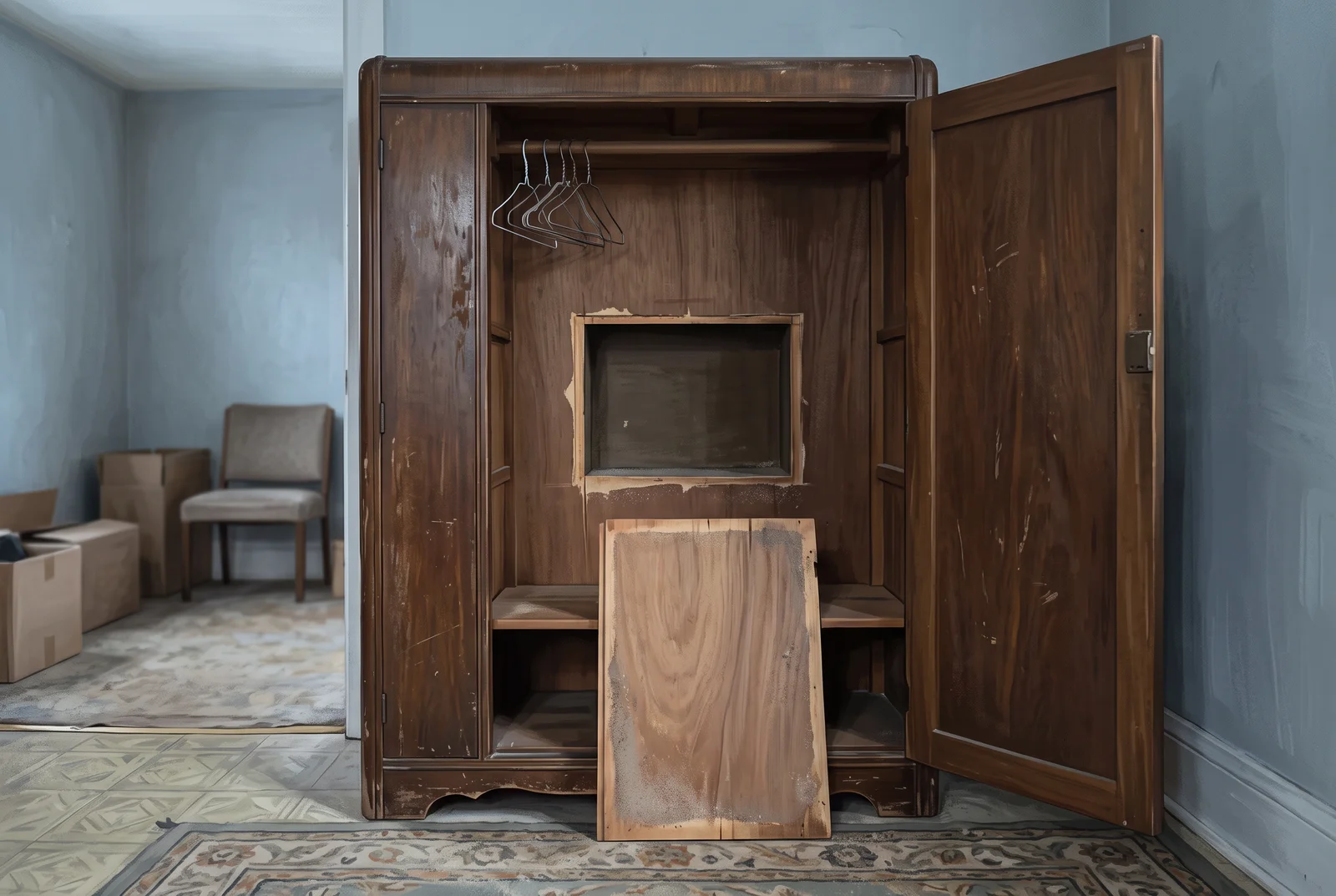
According to the SAT.1 report, a man in Minden received a used wardrobe as a donation. Before putting clothes inside, he cleaned it and removed boards. One panel concealed a second, screwed-on wall. Behind it were banknotes and savings books with a reported total value of around €150,000.
That total should not be described as a single pile of cash: the savings books form part of the figure. The story happened in Germany. The report’s opening mention of a park bench is a hypothetical example, not the place where this wardrobe was found.
The decision after the discovery
In the report the finder speaks about his younger brothers studying in Syria and how much help that money might have offered them. The detail explains why the find was personally significant without turning his decision into a simple moral slogan. A donated piece of furniture did not establish ownership of what was hidden inside.
He spoke with friends, considered what to do and took the banknotes and savings books to the police in Minden. The programme says the owner was identified. It discusses a possible finder’s reward, but the available clip does not give a reliable final outcome for him.
What the camera can and cannot prove
The video establishes a sequence: cleaning, a hidden panel, the discovery and a handover. It cannot show every conversation or resolve every later administrative step. We keep that boundary because a dramatic edit can make an unresolved question sound settled.
The report is worth watching for the finder’s own explanation and the police account.
Our reconstructed image is only an illustration; it is not a photograph of the man, the actual wardrobe or the recovered property.
A separate question about storing documents
The discovery is not an argument for copying a double-wall hiding place. It does raise a practical question: how should a household keep documents, cash and records so that the right people can find them and they survive ordinary risks? An undisclosed compartment may be forgotten when furniture changes hands.
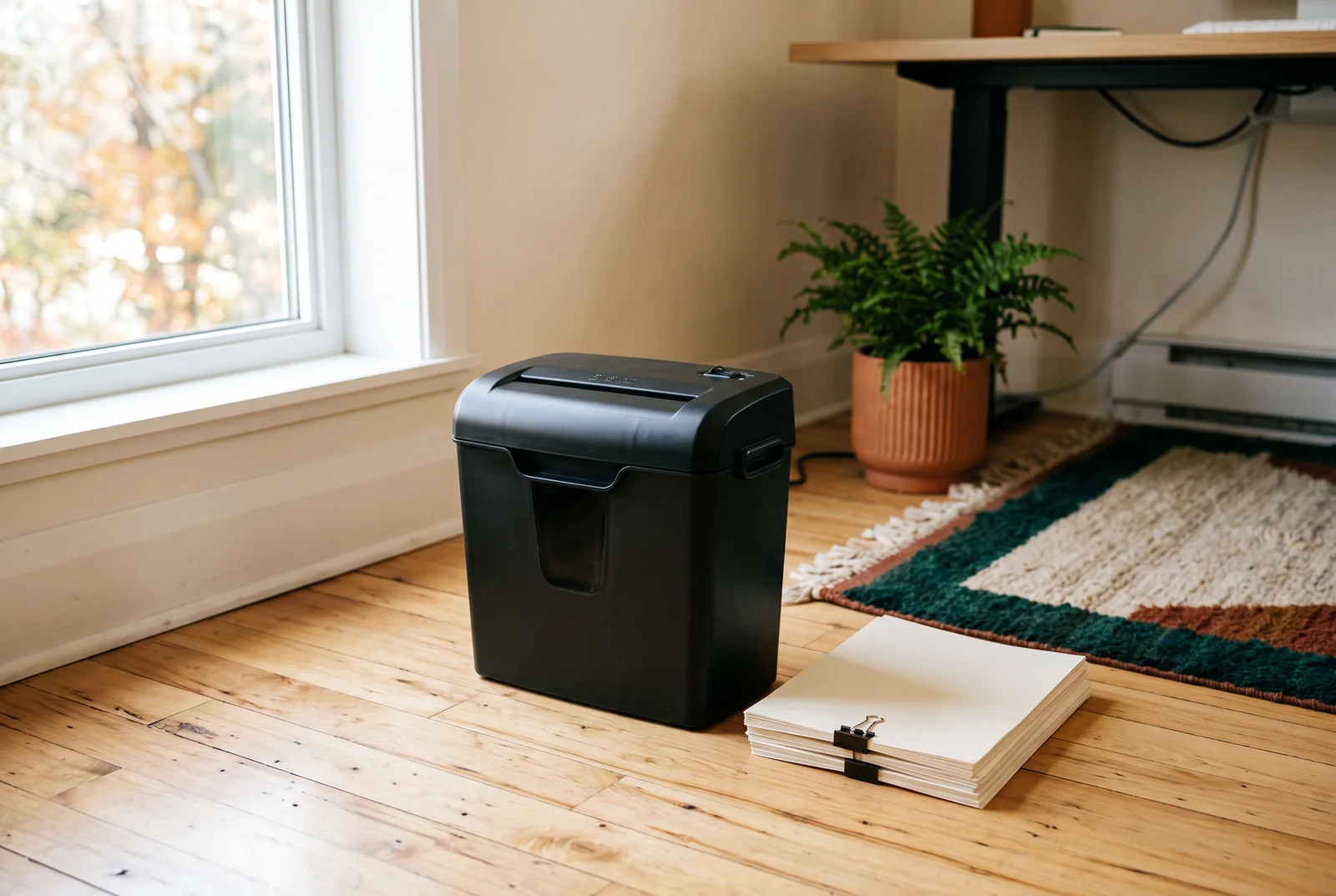
A labelled inventory, a trusted contact and an appropriate storage product can serve different purposes. A portable chest may offer a tested level of fire protection for paper, while a concealment trick has no such rating. Neither product changes the obligations that arise when someone finds property belonging to another person.
Compare the local document chest on its own terms
Canadian Tire lists a SentrySafe document chest with stated fire and water resistance and a key lock. Check the Canadian product page for the exact test standards, interior size and current stock. A portable chest is a specific storage choice, not a universal answer to theft or damage.
The retailer and maker are independent of SAT.1 and the Minden case. This is a local comparison for readers considering document storage; it is neither a prop from the report nor a legal answer about ownership of found property.
Common questions
Where was the property found?
Behind a second wall in a donated wardrobe in Minden, Germany; the park-bench line is only a hypothetical introduction.
Was the whole €150,000 in banknotes?
No. The report includes banknotes and savings books in the stated total.
Did the finder receive a final reward?
The available clip raises the question but does not confirm a final result.
Sources and disclosure
Sources checked: 2026-10-15
- SAT.1 Frühstücksfernsehen — 150.000€ GEFUNDEN!
- Canadian Tire SentrySafe document chest — product information
Advertising article. A commercial link leads to the named seller; a commission is possible only if a referral agreement covers it. The seller handles the offer.